A power planton wheels.
The Reever is an electric ATV built in Québec. It rides 150 km on a charge, then runs your tools, your cabin or your home through an outage from the same battery.
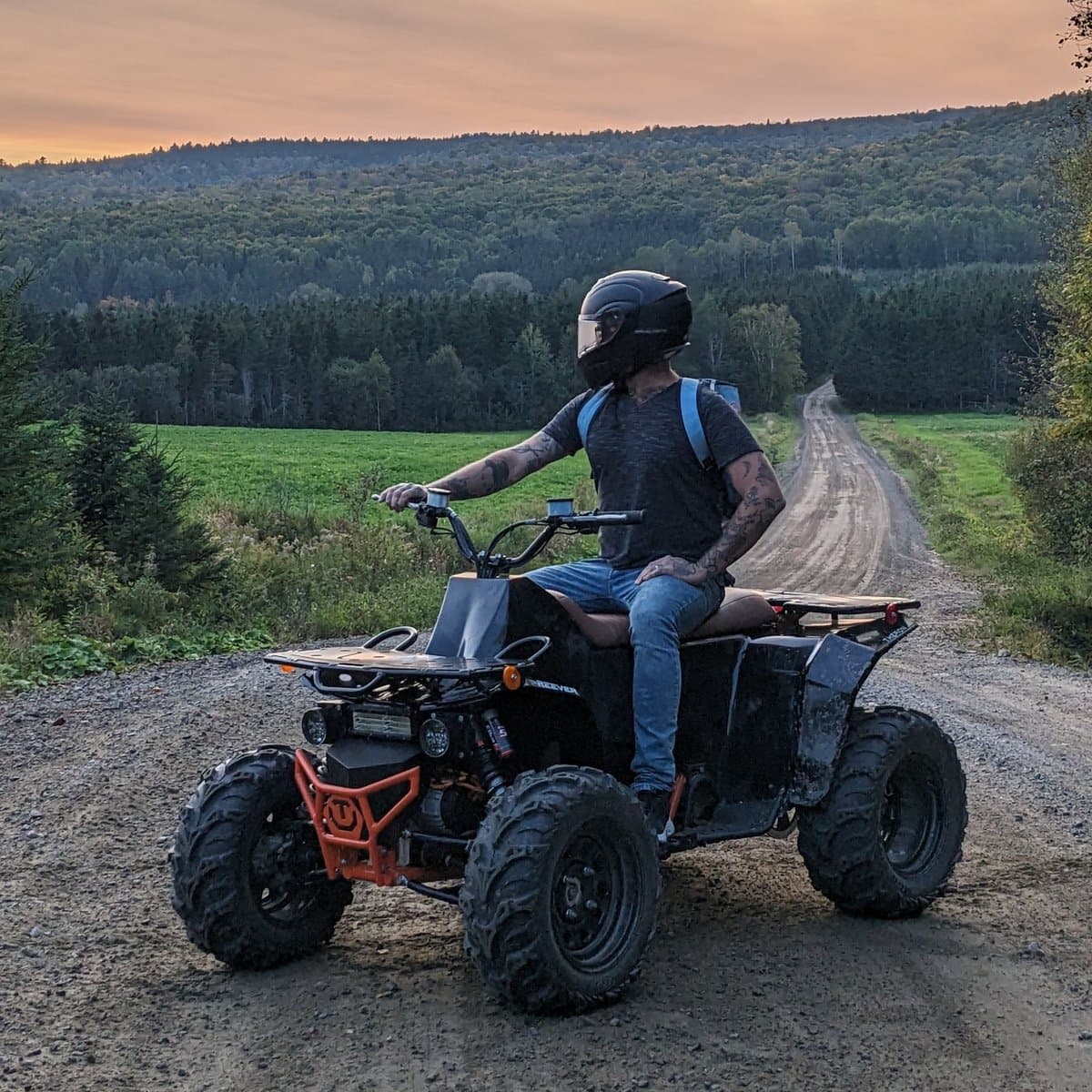
- Range on a charge
- 150 km
- Battery options
- 10 or 16 kWh
- Power out (V2L and V2H)
- 6 kW
- Top speed
- 100 km/h
Prototype figures. Production specifications may change.
What can a Reever run?
Pick a battery and switch on what you’d plug in. The Reever’s bidirectional charger supplies up to 6 kW, enough to keep a house going through an ice storm or a job site running without a generator.
Estimates assume about 90% of the pack is usable after inverter losses. Real runtimes depend on the load, temperature and battery state.
Runs for about
19h
0.75 kW of the 6 kW available
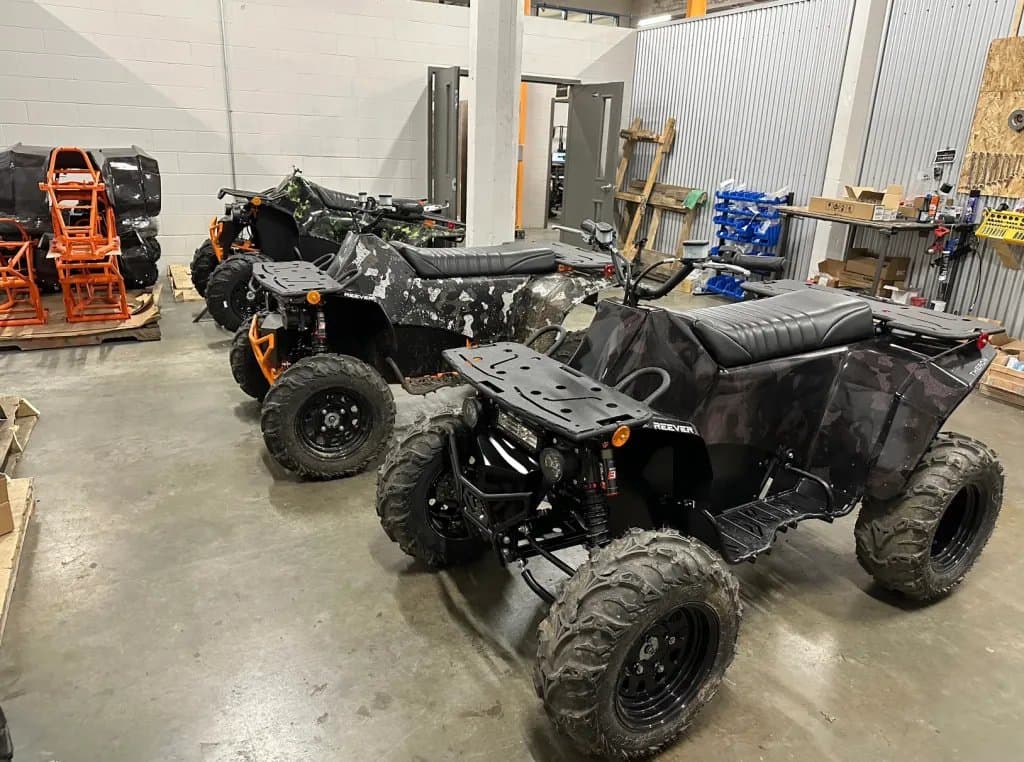
Built, ridden, rebuilt.
The Reever isn’t a render. Working prototypes have been built in Shawinigan and tested on the trails around it, and every one has taught us something about the next.
The production version is being engineered now. We won’t take deposits until there is a production-intent vehicle, so you’ll know exactly what you’re paying for.
Reever specs and comparisonOne powertrain under every vehicle.
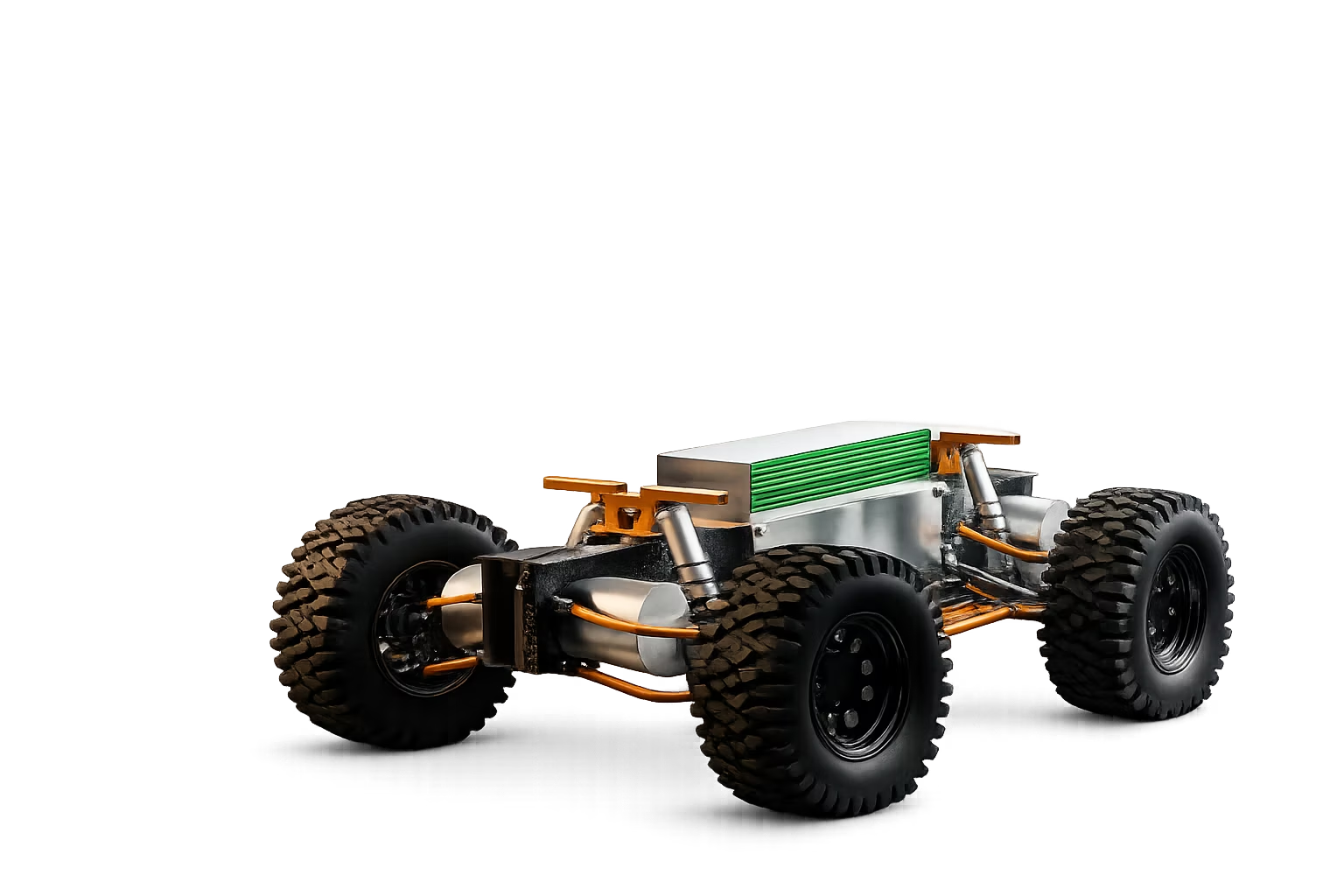
Every Ixian vehicle shares the same modular powertrain: motors, controller and a battery system run by REEVOLT, the battery management system we developed ourselves. Each new vehicle starts from proven parts instead of a blank page.
- 40–60% lower
- development cost per vehicle program
- 12–18 months
- from program start to a new vehicle
- REEVOLT
- battery management, designed in-house
The vehicles
All vehicles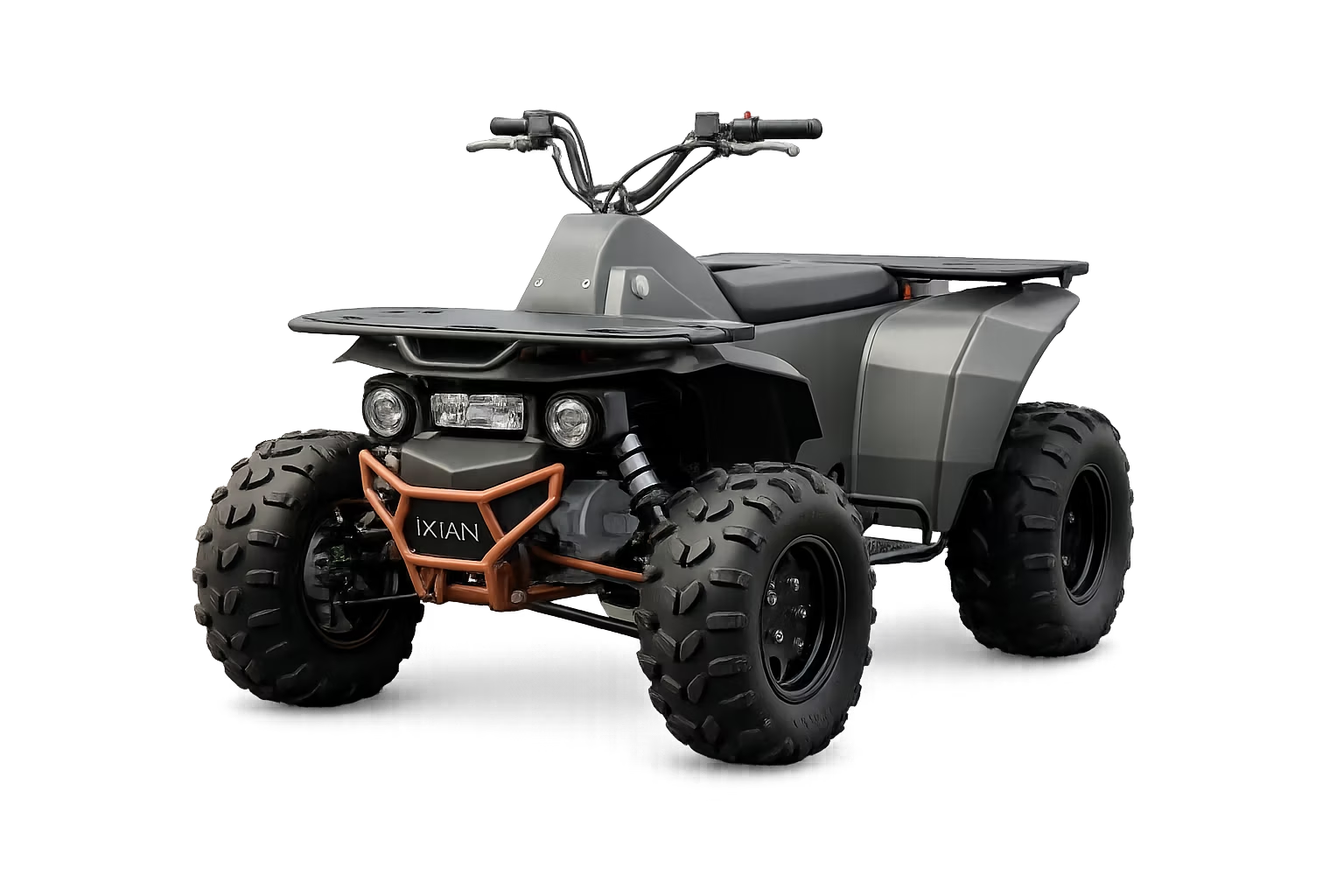
Reever
Electric ATVPrototype completeOur first vehicle. 150 km of range, a 10 or 16 kWh pack and a 6 kW bidirectional charger. Target price from C$19,990.
UTV
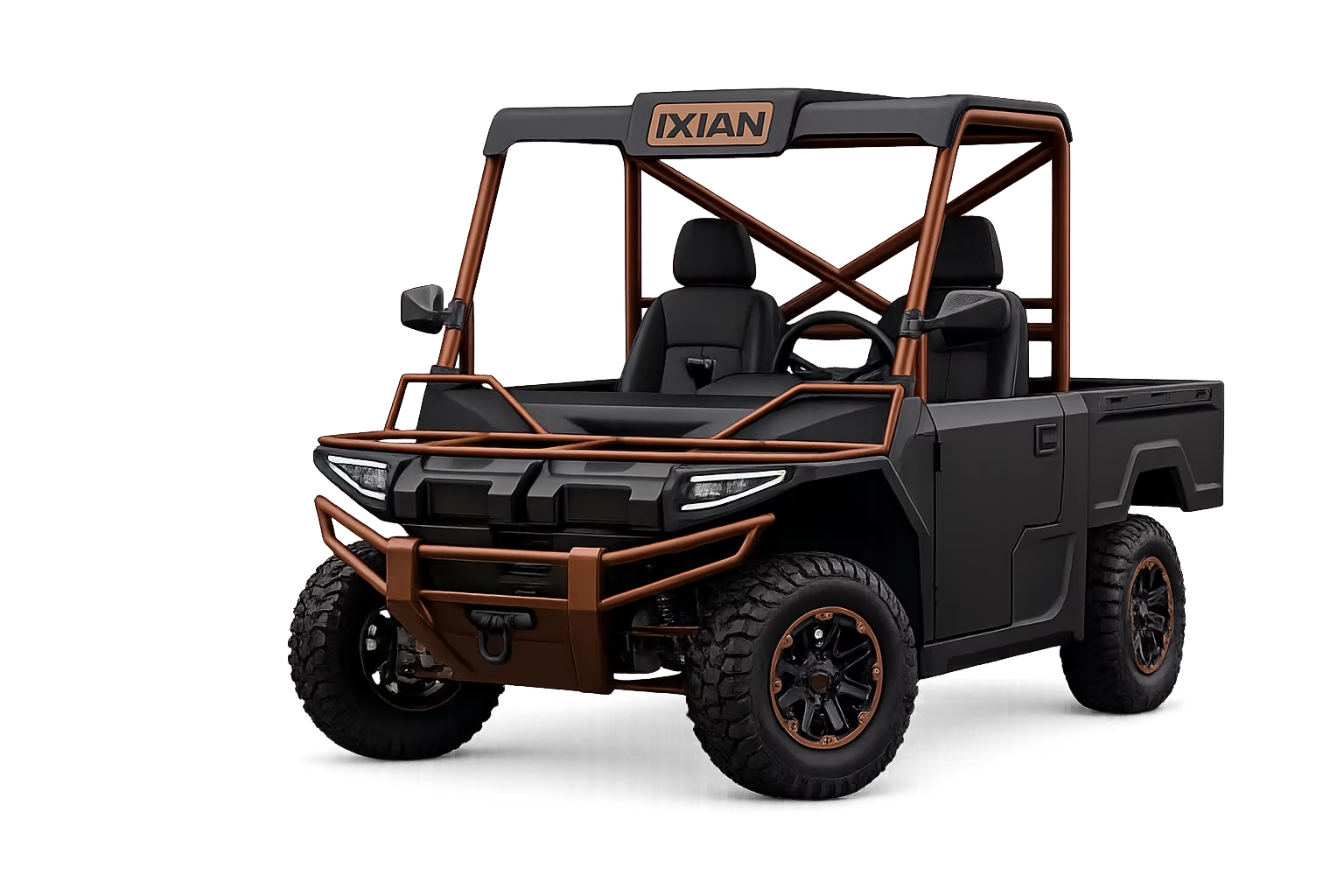
In developmentTwo seats and a cargo bed, built for work first. Target price C$38,000.
Road trike
Coming soonThe same platform, taken to the street. Target price C$30,000.
Why electric off-road, why now
- Batteries got cheap
- Lithium-ion pack prices fell from about $1,100 to around $120 per kWh, which makes a long-range electric ATV practical.
- Incumbents are moving slowly
- The big powersports brands are cautious about electric off-road, which leaves room for a vehicle designed for it from the start.
- Demand is proven
- Polaris and Can-Am now sell electric models, with clear gaps in range and power.
- Quieter rules
- Noise and emission limits in parks and on trails favour vehicles that make neither.
- Cheap to run
- Electricity and maintenance cost a fraction of what gas and engine service do.
- Built in Canada
- SR&ED, Investissement Québec and IRAP back clean-tech manufacturing here.
Follow the build.
Progress updates from prototype to production, only when there’s something worth telling you.